Hey Guys, Welcome Back!
Today’s article is on the importance of hydration! The reason I chose to write about this subject is because when I was an Account Manager I found myself drinking 5+ coffees a day and literally NO water. When I started on my health journey one of the changes I wanted to make was to drink more water! At the time I didn’t realise the crazy impact it would have on my health and energy levels. I wanted to do a little research and find out what the actual impacts of proper hydration are, and turns out there are way more than I could have imagined.
Hydration
Dating back to primeval times avoiding dehydration has been a key element in survival. This is likely because water is one of the most critical nutrients for almost all living things. In fact, the absence of water for more than a few days would lead to death. Water makes up 50-70% of your body weight and is critical for normal functioning of almost every physiological system (3). Yet, it is estimated that 75% of American adults are chronically dehydrated (6). In this post, we are going to explore the physiology of hydration, impacts of hydration status, and current recommendations for proper fluid intake.
Brief Overview: Physiology of Hydration
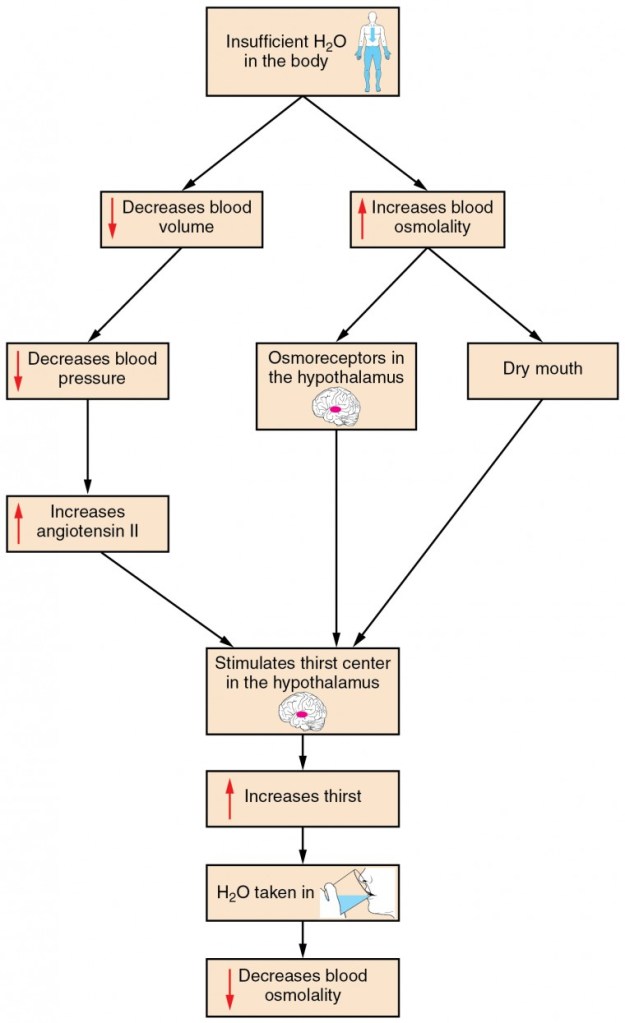
The human body aims to maintain a state of homeostasis, which refers to a steady internal state regardless of external factors. The body has a variety of protective mechanisms it uses in order to maintain homeostasis. One of these mechanisms is aimed at maintaining proper fluid levels and solute concentrations (proper hydration) (9). When dehydration (deficit of fluid) occurs, water is pulled from your cells and they shrink, blood volume is decreased and plasma solute concentration is altered. These changes are sensed by two brain receptors known as osmoreceptors (6). One is responsible for increasing thirst and the other is responsible for signalling the kidneys to decrease water excretion and increase the absorption of water and sodium (4). This can cause low blood pressure and dark urine. Typically fluid is lost through the skin (sweating), kidneys (urinating), gastrointestinal tract or attributed to a chronic disease (6). It is worth noting that older individuals have an increased risk of dehydration, as you age your kidneys slowly lose their ability to retain fluid efficiently. These are complex mechanisms but this basic overview should give you a general understanding of how your body regulates body volume, sodium and water concentrations! For a deeper dive into these mechanisms I would suggest reading this article on hydration status and cardiovascular health, it breaks down the physiology of dehydration in more detail (9)
Impacts of Hydration and Dehydration
Now we have a good understanding of the mechanisms behind hydration. But what’s the big deal? Why does hydration really matter? Well, research shows that dehydration has a vast impact on your overall health.
As one famous male model once said “moisture is the essence of wetness, and wetness is the essence of beauty” -Derek Zoolander. No, but in all seriousness hydration is the key to a properly functioning body and has a wide array of benefits. As you consume adequate fluids, your cells begin to fill with water, your thirst signal is turned off, and the kidneys begin to excrete more water (clear pee!). The benefits of adequate hydration include weight loss, GI function, waste removal, heart function, thermoregulation, cognitive function, healthy skin, improved sleep and reduced incidence of chronic disease. Now let’s take a deeper look at each of these factors.
Performance
If you have ever participated in a long run or vigorous sporting events and not hydrated properly you have probably felt the detrimental impacts of dehydration. When you participate in these challenging athletic events it is typical to lose 6-10% of body weight in sweat. Not consuming adequate fluid to replenish the loss will lead to dehydration. This impacts performance by altering your body’s ability to regulate heat, decreasing endurance, increasing fatigue, reduced motivation and increased perceived effort (4). This effect can be magnified by hot temperatures as it reduces your capability for thermoregulation and will lead to hyperthermia, decreased blood pressure and therefore decreased delivery of blood to those hard working muscles (4)!
Weight Loss
Proper hydration influences weight loss by means of two mechanisms: reduced caloric intake, and increased metabolism (5). In terms of increased metabolism, when you are properly hydrated your blood volume increases. This increase in blood volume leads to an increase in pressure within the right atrium of the heart. This leads to the release of a peptide called atrial natriuretic peptide (ANP) which initiates a cascade of events releasing another protein called uncoupling protein 1 (UPC1) which increases fat metabolism (lipolisis)(5). If you want to learn more about this process I suggest reading this article on hydration and weight loss (5) . On the flip side, the more water you drink, the fuller you feel the less likely you are to munch on calorie dense foods or sip on calorie dense drinks!
Kidney Function
As we learned earlier, the kidneys play a key role in maintaining proper fluid levels. Thank you kidneys! Sadly, when we don’t maintain proper hydration we are actually damaging our kidneys. Dehydration causes the kidneys to retain water and produce more concentrated urine, this process requires greater energy expenditure and places more wear on the tissue. The damage is magnified if your kidneys are under stress from medications(4). Your kidneys also need adequate fluid to efficiently excrete waste products from the blood, which is vital to ensure optimal health. (4)
Cognitive Function
Current research shows a link between dehydration and cognitive impairment. Even mild dehydration has been shown to decrease concentration, alertness, short-term memory. Dehydration is also linked to increased fatigue, frustration, anger, confusion and vigour. Dehydration can trigger migraine and headache, attributed too low plasma volumes. (4)
Heart Function
Cardiovascular disease is a leading cause of death in our society, and current research suggests that hydration has an impact on improving cardiovascular health (9). Research shows that dehydration leads to inflammation, reduces endothelial function (cells that line the blood vessels), and may affect arterial stiffness. Dehydration also causes lowered blood volume, meaning the heart has to pump extra hard maintain proper blood flow. All of these factors are predictors of future cardiac incidences (9). This article also dives deeper into some of the evidence that suggests dehydration impairs vascular function, and increases sympathetic nervous system activity (fight or flight response) which affects blood pressure regulation (9). Check out this scientific article on Hydration and Heart Health to learn more!
Thermoregulation
Have you ever been hanging out on the beach, or playing an intense game of soccer in the heat and found that you are sweating like crazy? Well, sweat is your body’s way of cooling your core temperature (4). With proper hydration levels your body can effectively moderate internal temperatures by diverting fluids to the skin’s sweat glands where it evaporates off the surface, cooling the body. This mechanism is key to survival in hot temperatures and helps to ensure you are performing at your best.
Skin Health
I know water for skin health is a hot topic, and I wish I could tell you it will fix all your problems. Sadly, hydration is not a one stop shop for perfect skin, BUT it does play a role! Studies show that proper hydration will improve skin thickness, density and hydration (4). It is recommended that you use topical emollients or creams to improve skin’s barrier in addition to proper hydration. If you are looking for more information on how to achieve healthy young looking skin, I suggest reading this dermatological article on skin anti-aging strategies (10).
Chronic Disease
Current research shows that proper hydration plays a role in reducing the risk of ‘stones’ or calcifications developing in the urinary tract, exercise asthma, constipation, hypertension, fatal coronary artery disease, blood clots, stroke, and diabetic complications (4).This area of research is extremely complex, by no means am I recommending that proper hydration will be a cure for the above mentioned health concerns. If you would like to learn more about hydration and its impact on chronic disease I suggest reading this Oxford University article on water, hydration and health (4).
Sleep
Sleep is so important, it’s a time for your body and mind to reset. Sleep allows you to prepare for the next day and plays a critical role in memory formation! According to Dr Michael J Breus, PHD, hydration and sleep have a reciprocal relationship. Meaning that quality sleep helps improve hydration, and hydration helps improve sleep (8)! As we sleep we lose approximately 1 litre of water through the humidity as we breath, so it is important that we properly hydrate when we wake up in the morning. Another study from Ohio University demonstrated that fluid restriction resulted in a reduction in sleep time and quality. (7)
What is Considered Proper Hydration?
Now that we have a better understanding of the mechanisms behind hydration and the amazing benefits, it’s time to address what proper hydration actually means. Let’s go through the current recommendations and talk about some methods to achieve your hydration goals!
Water Intake Recommendations
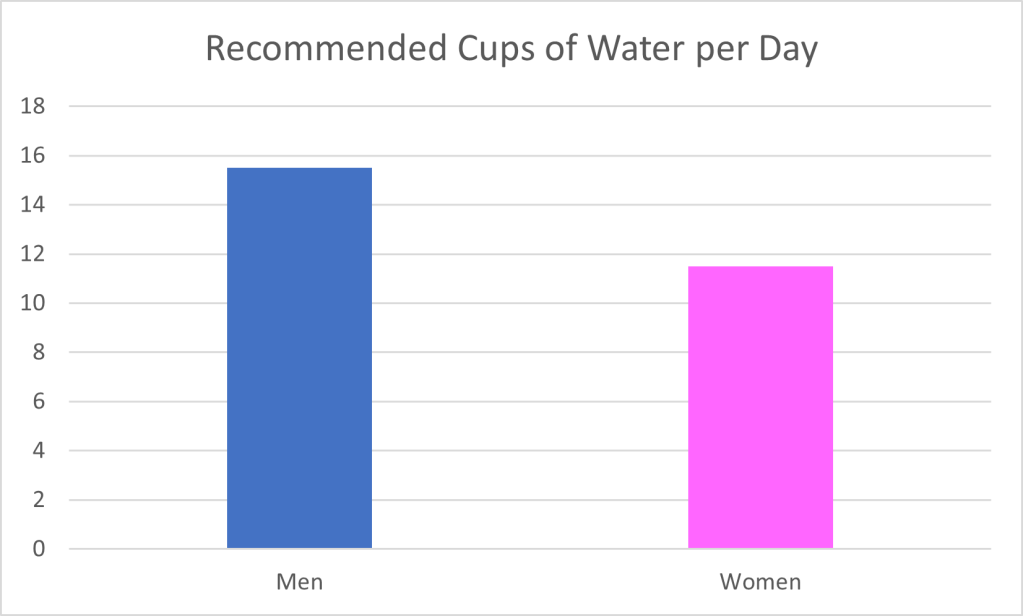
According to the Mayo Clinic it is recommended that men consume 15.5 cups of water a day and Women 11.5 cups per day (3). This recommendation is for the average healthy adult living in a temperate climate. Hydration needs may increase based on activity levels, chronic illness, acute illness (flu, cold etc), use of medications, pregnancy, etc (3).
- Sport or Exercise Hydration: Due to the intense nature of some exercise and sport, often athletes will lose a lot of fluid through sweating. This causes the shrinkage of cells and loss of electrolytes. It is recommended that anyone with high rates of sweating should supplement their water with salt (Na+) or use a sports electrolyte beverage.
- Elderly populations: According to Dr. Julian Seifter from Harvard Medical School, as we age, we lose the ability to accurately sense thirst which can cause high rates of dehydration in older adults (1). Other research backs up this claim and further suggests that eldery have lower water reserves. Thus older adults should learn to drink water regularly even when they do not feel thirsty (4).
All Fluids Are Not Created Equally
The majority of fluid consumption comes from everyday foods, coffee, tea, or other beverages and is driven by our taste buds and the ‘reward system’ (4). This is currently a major concern in western societies as it drastically increases the caloric intake, and creates dependency on sugar and alcohol. These types of sugary drinks are linked to obesity and chronic disease. It is recommended to avoid things such as fruit drinks, soda, energy drinks, or anything with excessive amounts of added sweetner. Make sure that your 12-15.5 cups a day are coming from quality sources of hydration (2).
Quality Sources of Hydration
- Plain water
- Water with sliced fruit
- Green Tea
- Foods high in water such as watermelon, oranges, strawberries, and many other fruits and vegetables. Find more food with high water content in this article by healthline
- Water with added salt, or sports beverages such as Nooma Organic Sports Drinks. Ideal after activities that induce a high volume of sweating.
Strategies for Staying Hydrated
This is all great in theory, if I drink 12 cups of water a day I will feel all these amazing benefits and my body will thank me. If you are thinking “12 cups…how the HECK am I going to drink 12 cups of water a day?” trust me you are not alone (remember we learned 75% of adults are dehydrated!). So, I put together some suggestions on strategies to stay hydrated throughout the day!
- Buy a giant water bottle (like this one from amazon) and fill it up in the morning. Keep it on your desk and drink or pour from it throughout the day. This will help by providing a visual cue and allowing you to easily track your progress throughout the day. (this was my strategy and I found it very effective)
- Take the time to find a way to make water more attractive, maybe add some fruit and drink it from a wine glass! (ouuu fancy water!)
- Set an alarm on your phone for every hour and drink one cup of water every time it goes off.
- Make sure you are drinking a glass of water every time you eat something.
- Add more fruit and vegetables that are high in water content into your diet (this will have a ton of other health benefits too!)
- Drink a glass of water right when you wake up.
- Replace other drinks throughout the day with water.
- Put a sticky note on your fridge and computer reminding you to drink water!
- Make sure you drink water before, during and after any exercise
In conclusion, the research is clear that adults in our society are not getting adequate hydration and consequently they are suffering. Hydration has a major impact on exercise performance, kidney function, heart function, cognitive function, GI tract function, weight loss, thermoregulation, skin health, sleep, and chronic disease! That’s A LOT of benefits from our buddy H20. Try implementing some of the strategies outlined in the latter portion of this article and start feeling like a brand new (much healthier) person! If you have any other recommendations on how to stay hydrated leave a comment, or reach out on my instagram account @movesbymeghan.
References
- 2. Importance of hydration- Harvard News
- 3. Nutrition and Healthy Eating – Mayo Clinic
- 4. Water, Hydration and Health – Oxford Nutrition Reviews
- 5. Increased Hydration and Weight Loss – Frontiers In Nutrition
- 6. Adult Dehydration – McGovern Medical Scool
- 7. Influence of Hydration on Sleep – Ohio University
- 8. Relationship Between Water and Sleep – The Sleep Doctor
- 9. Hydration Status and Cardiovascular Function – University of Deleware
- 10. Skin Anti-Aging Strategies – Dermato Endocrinology
- 11. Water Balance – Lumen Learning
challenge diet exercise fasting fitness fitnesschallenge foam rolling health healthchallenge hydration intermittent-fasting JuneFitnesschallenge lifestyle mental health nutrition recovery running strength-training walking weight-loss wellness
 Moves By Meghan